Cylinder Lawn Mowers: A Complete Guide
A cylinder mower — called a reel mower in North America — cuts grass the way scissors cut paper. A rotating cylinder of curved blades sweeps each blade of grass against a fixed bottom plate, slicing it cleanly. Every other kind of mower works by impact: a bar spinning fast enough to tear the grass off.
That difference is the whole story. It explains why cylinder mowers give the finest finish available to a domestic lawn, why they leave those crisp stripes, and equally why they are the wrong machine for a rough back garden. This guide covers how they work, what they suit, and how to keep one cutting properly.
Scissor action versus impact
A rotary mower’s blade travels at enormous speed and rips the top off each grass plant. Under a hand lens the cut end looks frayed. Those torn fibres dry out, brown off, and give a freshly mown lawn its slightly hazy cast a day or two later.
A cylinder mower’s shearing cut leaves a clean edge that seals quickly. The lawn holds its colour, loses less moisture through the cut, and presents less open tissue to fungal disease. On a fine ornamental lawn the difference is genuinely visible.
What cylinder mowers do well
A visibly cleaner cut
This is the reason golf greens, cricket squares and bowling greens are cut with cylinders and nothing else. Where a lawn is meant to be looked at rather than merely kept tidy, no rotary machine matches the finish.
Healthier grass
Clean cuts heal faster than torn ones. Less moisture is lost through the wound, and there is less damaged tissue for disease to colonise. Over a season the lawn holds a deeper green — the same reason keeping a sharp blade matters so much on any mower.
No scalping on undulating ground
Because the cutting cylinder sits between a front roller and a rear roller, the machine follows small dips and rises instead of bridging them. A rotary deck riding on wheels bridges a hollow and shaves the high spot bare. On a lawn with any character to its surface, the cylinder handles it better.
Proper stripes
The rear roller flattens the grass in the direction of travel. Light reflects differently off grass leaning towards you than away, which is what produces the light and dark banding. Rotary mowers with a roller kit can approximate it; a cylinder mower with a heavy rear roller does it properly.
Quiet, and often unpowered
A manual cylinder mower makes a soft whirring noise and nothing else. No fuel, no battery, no emissions, no service schedule, no starting problems after winter. For a small lawn that is a real, underrated advantage — and it sidesteps the whole category of seasonal engine maintenance.
Where they struggle
It is worth being blunt about the limitations, because they are what decide whether this is your machine.
- Long grass defeats them. The cylinder needs to catch each blade against the bottom plate. Grass that has flopped over gets pushed flat instead of cut. Miss two weeks and you will need a rotary mower to reset the lawn.
- Twigs and debris jam the cylinder. A rotary blade flings a small stick out; a cylinder locks up on it. Lawns under trees are hard work.
- Coarse and stemmy grasses resist the cut. Fine fescues and bents shear beautifully. Tough, wiry species and weed stems tend to be pushed over rather than sliced.
- Cutting height is limited. Most cylinder mowers top out around 40–50 mm. If your grass type wants to be kept longer — and many warm-season and drought-tolerant lawns do — the machine simply cannot do it.
- Sharpening is a specialist job. Not difficult, but different from filing a rotary blade.
If those points describe your lawn, an electric rotary mower will make you happier, and a robotic mower is worth a look if you would rather not mow at all.
Manual or powered?
Manual push cylinder mowers are driven by the wheels: push forward, the cylinder spins. They are light, cheap, silent and essentially maintenance-free beyond sharpening and oiling. They work well up to roughly 100–150 m² of reasonably flat, fine-grassed lawn. Beyond that the pushing becomes real exercise.
Powered cylinder mowers drive the cylinder with a petrol engine or battery, and usually drive the rollers too. They handle larger lawns and slightly tougher grass, cut to a more consistent height because cylinder speed is independent of walking pace, and cost several times as much. This is the machine behind a properly manicured lawn.
For anyone weighing a manual cylinder against a small rotary, our comparison of the best way to cut grass with a push mower covers the technique side, and cutting grass without a mower is worth reading if your lawn is very small indeed.
Choosing one for your lawn
Grass type comes first
Fine-leaved cool-season grasses — bents, fescues, and good ryegrass mixes — are what cylinder mowers were designed for. Coarse, spreading warm-season grasses can be cut with a cylinder but need a well-adjusted machine and frequent mowing. Ask what your lawn is before you ask which mower to buy; our guide to grass mixes is a useful starting point.
Number of blades on the cylinder
More blades means more cuts per metre travelled, and a finer finish. Five or six blades is the domestic norm and suits a lawn kept around 25–40 mm. Eight to twelve blades is for genuinely short, fine turf. A high blade count on a lawn cut at 40 mm just makes the machine harder to push for no visible gain.
Cutting width and weight
Domestic cylinder mowers run from about 12 to 20 inches. Wider covers ground faster but is heavier to push and harder to steer around beds. On a manual machine, weight is felt on every pass — err narrower than you would with a rotary.
Height adjustment
Check both the range and how the adjustment works. Some manual mowers require spanners at each roller and are consequently never adjusted. Confirm the range covers the height your grass actually wants — see the best grass cutting height and how to measure it.
Keeping the cut sharp
A cylinder mower cuts well only while the cylinder and the bottom plate meet correctly. Two jobs keep it there.
Adjustment. The gap between cylinder and bottom plate should be almost nothing — the standard test is that the machine cleanly cuts a sheet of newspaper held across the width at several points. If it tears or misses, the setting screws need a small turn.
Backlapping. Rather than grinding the blades, you run the cylinder backwards with a fine abrasive paste against the bottom plate. It restores the mating edge in half an hour and is well within a careful DIY-er’s reach. Once the blade profile is genuinely worn, a workshop regrind is the answer.
Beyond that: brush the grass off after use rather than hosing it, keep a light oil on the cylinder over winter, and store it dry. Our general lawn mower maintenance guide and winter storage advice both apply.
Common questions
How often do I need to mow with a cylinder mower?
More often than with a rotary — roughly weekly in the growing season, twice weekly if you want a really fine finish. The machine cannot recover long grass, so frequency is not optional. See how often you should mow.
Can a cylinder mower cut wet grass?
Better than a rotary, because it shears rather than relying on airflow to lift the grass. It still clogs eventually, and wet clippings stick to the cylinder, so it is not something to make a habit of.
Do they collect clippings?
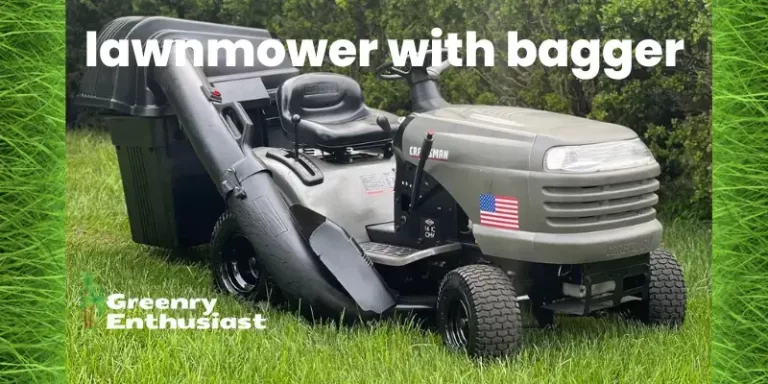
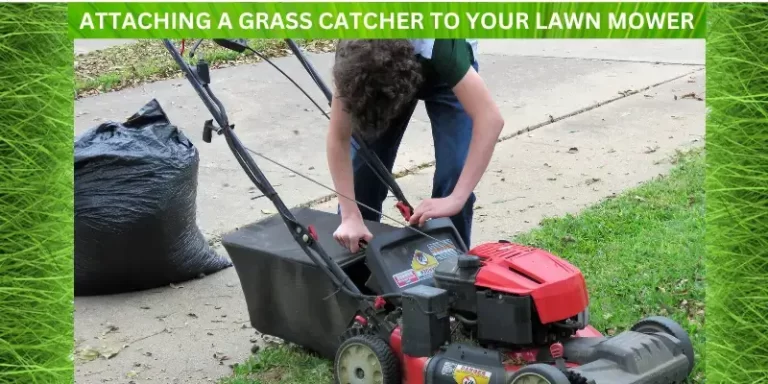
Most take a front-mounted grass box, and cylinder mowers collect unusually well because the cylinder throws clippings forward. You can also leave them — the clippings are short enough to break down quickly, which is effectively mulching.
Are manual cylinder mowers hard work?
Less than people expect on a small, regularly mown lawn — the cylinder freewheels and most of the effort is simply walking. On long grass or a large lawn, yes, genuinely hard work.
The bottom line
A cylinder mower is the right choice for a small-to-medium lawn of fine grass, kept reasonably short, mown regularly, and largely free of twigs and rough patches. On that lawn nothing else comes close to the finish.
On any other lawn it will frustrate you, and a rotary machine is the honest answer. The mower is not better or worse than the alternatives — it is specialised, and matching it to the right lawn is the entire decision.