Will A Snow Blower Work On A Gravel Driveway?
Winter comes and gravel driveway owners face one big question — will a snow blower damage my gravel, or can I use it safely?
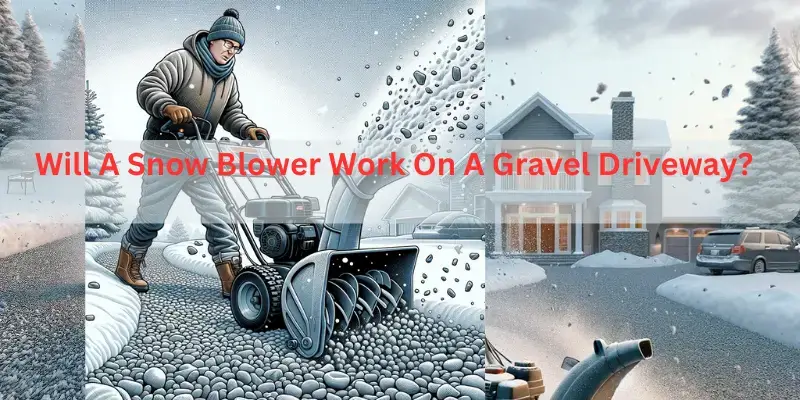
The short answer is yes, snow blowers do work on gravel driveways. But using the wrong type of machine, or using it incorrectly, can send gravel flying like projectiles and damage your machine, your car, or even injure someone nearby.
In this guide, I will explain exactly which snow blowers are safe for gravel, how to set them up correctly, and the step-by-step technique to clear snow without disturbing your gravel underneath.
Can You Use a Snow Blower on a Gravel Driveway?
Yes, you can — but with one important condition: you must use a two-stage or three-stage snow blower, never a single-stage machine.
Here is why this matters:
A single-stage snow blower has an auger (the spinning rubber blade) that touches the ground directly. On a gravel driveway, this auger picks up stones along with snow and shoots them through the chute at high speed. This is dangerous and will damage your machine over time.
A two-stage or three-stage snow blower has an auger that floats above the ground surface. You can adjust the height using skid shoes. This means the machine clears snow without digging into your gravel.
Which Snow Blower is Best for Gravel Driveways?
Two-Stage Snow Blowers (Best Choice)
Two-stage snow blowers are the most popular choice for gravel driveways. The auger breaks up the snow and feeds it into an impeller fan, which then throws it out through the chute.
Why they work well on gravel:
Best for: Driveways up to 80 feet long with moderate to heavy snowfall.
Three-Stage Snow Blowers (Heavy Duty)
Three-stage machines add an extra accelerator between the auger and impeller. They move snow up to 50% faster than two-stage models.
Best for: Very long driveways, heavy wet snow, and areas that receive frequent snowfall over 12 inches.
Single-Stage Snow Blowers (Avoid for Gravel)
Single-stage blowers are lightweight and easy to use, but the auger contacts the ground directly. Do not use these on gravel driveways — they will throw stones at high speed and damage the machine.
Step-by-Step: How to Use a Snow Blower on a Gravel Driveway
Step 1: Adjust the Skid Shoes
Skid shoes are the metal or rubber feet on either side of the auger housing. Before you start clearing snow:
- Locate the skid shoes on both sides of the machine
- Raise them so the auger sits at least 1 inch above the gravel surface
- Tighten the bolts firmly so they do not shift during use
This single adjustment is the most important thing you can do for safe gravel clearing.
Step 2: Wait for Enough Snow
Do not start clearing until there is at least 2 to 3 inches of snow on your driveway. A thin layer of snow means the auger is more likely to make contact with the gravel underneath.
The snow itself acts as a buffer between the machine and the gravel — more snow means safer clearing.
Step 3: Set Your Speed Slow
Use the slowest forward speed setting on your snow blower when working on gravel. Moving slowly gives the machine time to process the snow properly and reduces the chance of the auger dipping down and catching a stone.
Step 4: Make Straight Passes
Work in straight lines across your driveway rather than turning or pivoting on the gravel. Sharp turns can cause the skid shoes to dig in and disturb the gravel surface.
Step 5: Aim the Chute Away from People and Cars
Even with correct settings, a small stone may occasionally travel through the chute. Always aim the discharge chute away from parked vehicles, windows, people, and pets before you start.
Step 6: Clear After Every Snowfall
Do not let snow accumulate over multiple days before clearing. Heavy packed snow is much harder to clear and increases the pressure on the auger, which can push it down toward the gravel.
How to Prevent Gravel From Being Thrown
Here are the most effective precautions to keep your gravel in place:
Raise the skid shoes
This is the number one tip. If gravel is flying, raise the shoes higher.
Move slowly
High forward speed on rough terrain causes bouncing, which can dip the auger into the gravel.
Wait for at least 2-3 inches of snow
Thin snow coverage is the main cause of gravel pickup.
Check your skid shoes regularly
Worn down skid shoes lose height and allow the auger to drop closer to the ground. Replace them each season if needed.
Consider rubber skid shoes
Rubber versions are gentler on gravel surfaces than standard metal ones and provide better traction.
Alternative Snow Removal Methods for Gravel Driveways
If you do not have a two-stage snow blower, these alternatives work well on gravel:
Snow Shovel
A plastic blade shovel is gentle on gravel and gives you full control. It takes more effort but causes zero damage to your driveway surface. Use a pusher-style shovel to slide snow off the surface rather than scooping into it.
Leaf Blower for Light Snow
For fresh, dry snow under 3 inches, a powerful leaf blower can push snow off the driveway quickly. This works best in cold, dry conditions before snow has a chance to compact.
Ice Melt and Rock Salt
For icy patches on gravel, spreading ice melt is the safest option. It prevents ice from bonding to the gravel and makes manual removal easier afterward.
Snow Plow Attachment
If you have an ATV or riding lawn mower, a snow plow blade attachment is an excellent option for long gravel driveways. The blade skims across the top of the gravel and pushes snow to the sides efficiently.
Common Mistakes to Avoid
Using a single-stage blower
This is the most common mistake and the most dangerous. Always check your machine type before starting.
Clearing too aggressively
Do not force the machine into heavy, wet snow. Let the auger work at its own pace.
Ignoring worn skid shoes
Old skid shoes that have worn down will drop your auger directly onto the gravel. Check them before every season.
Starting too early after snowfall
Clearing 1 inch of snow is much harder on your machine and gravel than waiting for 3 to 4 inches to accumulate.
Not checking for hidden rocks
Before winter, walk your driveway and remove any large stones, branches, or debris that could damage the auger if picked up.
FREQUENTLY ASK QUESTIONS (FAQs):
Conclusion
Snow blowers absolutely work on gravel driveways — you just need the right machine and the right technique. A two-stage snow blower with properly adjusted skid shoes will clear your driveway efficiently without disturbing the gravel underneath.
The most important rules to remember: never use a single-stage machine on gravel, always raise your skid shoes before starting, and wait for at least 2-3 inches of snow before you begin clearing.
Follow these steps every time and your gravel driveway will be clear all winter without any damage to your machine or your driveway surface.
Related Posts to Read Next:
- How to Clean a Craftsman Snowblower Carburetor Without Removing It
- Can a Snow Blower Overheat?
- Operating a Snow Blower in Wet Conditions